
Fact Check: No Scientific Evidence That Veldt Grape Roots Cure Epilepsy, Experts Warn
Epilepsy, a chronic neurological disorder affecting an estimated 50 million people worldwide, requires specialized and evidence-based treatment, typically involving anti-seizure medications or, in some cases, surgery. According to global health experts, proper diagnosis and long-term medical follow-up are essential for managing the condition effectively. However, misleading medical claims have recently gained traction online, suggesting that […]
Epilepsy, a chronic neurological disorder affecting an estimated 50 million people worldwide, requires specialized and evidence-based treatment, typically involving anti-seizure medications or, in some cases, surgery.

According to global health experts, proper diagnosis and long-term medical follow-up are essential for managing the condition effectively.
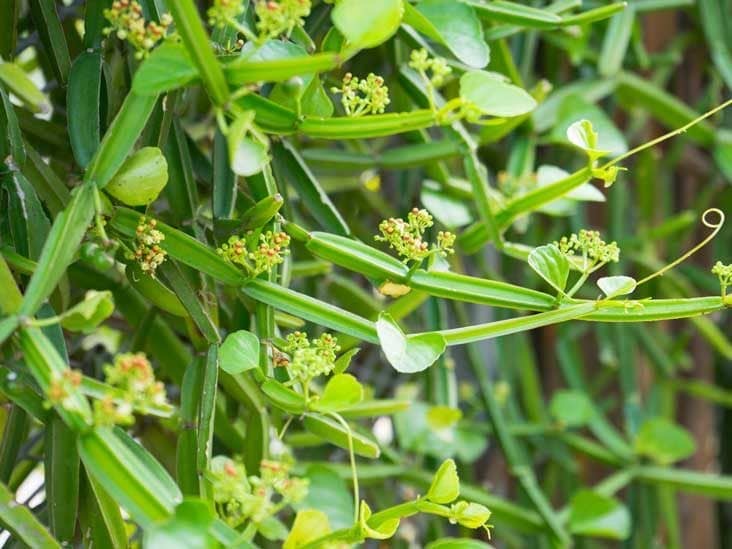
However, misleading medical claims have recently gained traction online, suggesting that the roots of veldt grape, scientifically known as Cissus quadrangularis can treat epilepsy. One such claims, circulating widely on social media, has raised concerns among medical professionals. (see more)
Experts Dismiss Viral Claims
The CRTV Factchecking Team started verifying these claims, shared on Facebook and other social media platforms.
We consulted medical experts including a Neurologist who said the claims are not backed by scientific evidence.
Dr. Leonard Ngarka, neurologist, explains that while some laboratory research has shown potential anticonvulsant properties of Cissus quadrangularis in animal models, this does not translate to proven treatment for humans.
“Cissus quadrangularis has been shown to have anti-seizure properties especially in rats, but scientifically it has not been proven that it can treat epilepsy in humans. As a neurologist, I advise the population to be cautious about using the roots of this plant for epilepsy, and instead consult a medical doctor for proper follow-up,” he said.
Why the Confusion Persists: Our Findings
The misconception may stem from the plant’s long-standing use in traditional medicine. Cissus quadrangularis has been widely used for bone healing and other ailments, and some experimental studies in animals have explored its neurological properties.
According to Dr. Ngarka and other experts, such preliminary findings often spark public interest, but fall far short of the rigorous clinical testing required for approval in modern medicine. He says for any plant-based remedy to be considered safe and effective for human use, it must undergo years of controlled studies to evaluate both its benefits and potential side effects.
When a substance is part of traditional African pharmacopeia, its integration into conventional medical practice depends on extensive scientific validation.
What Patients Should Do
Health professionals stress that individuals living with epilepsy—or those seeking treatment for loved ones—should rely on qualified neurologists and evidence-based care.
At present, there is no clinical or medical proof that the roots of Cissus quadrangularis can treat epilepsy in humans.
Relying on unverified remedies may delay proper treatment and increase the risk of complications.
Natacha Lehman Mbachi